
Programming is becoming one of the most useful skills in the modern world. Many students and professionals want to start coding but often feel confused about where to begin. A simple python tutorial for beginners can make the learning process easy and clear for anyone starting their programming journey.
Python is one of the most popular programming languages because it is easy to read and simple to understand. It is widely used for web development, automation, data science, and artificial intelligence. With the help of a simple python tutorial for beginners, anyone can understand the basic concepts of programming without feeling overwhelmed.
This guide explains Python step by step using easy language so beginners can learn comfortably.
What is Python Programming
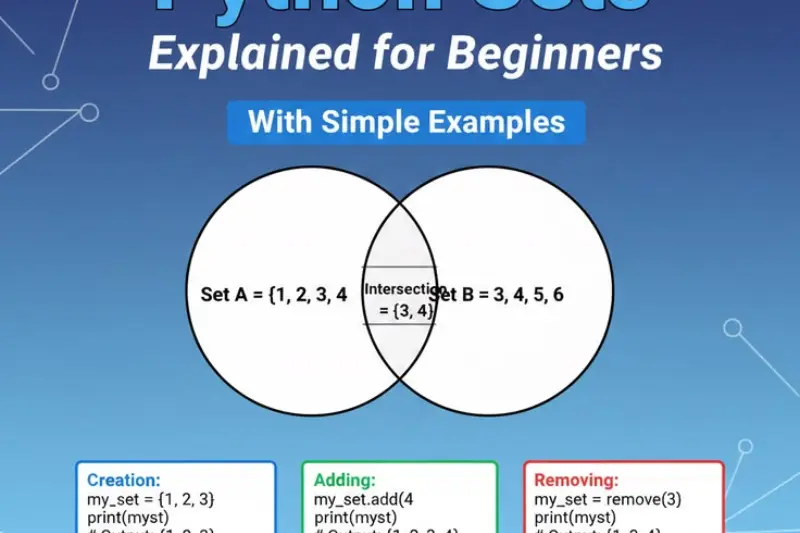
Python is a high-level programming language designed to be simple and readable. It was created by Guido van Rossum and first released in 1991. Python allows programmers to write fewer lines of code compared to many other programming languages.
Many beginners prefer Python because it looks similar to normal English sentences. A simple python tutorial for beginners usually focuses on teaching basic concepts first before moving toward advanced programming.
Python is commonly used for:
- Web development
- Data analysis
- Machine learning
- Automation tasks
- Game development
Because of its flexibility and simplicity, Python has become one of the most widely used programming languages in the world.
You may also like to read these posts:
Fix Syntax Errors in Programming Easily for Beginners
Troubleshooting Programming Mistakes for Beginners
Beginner Debugging Techniques Guide for Programmers
How to Read Error Messages Correctly in Programming
Why Python Is Good for Beginners
Python is considered beginner-friendly for several reasons.
Easy to Read Syntax
Python code is simple and easy to understand. Even people with no programming background can follow a simple python tutorial for beginners and start writing basic programs quickly.
Large Learning Community
Millions of programmers use Python. Because of this large community, beginners can easily find tutorials, guides, and answers online.
Wide Range of Applications
Python can be used in many areas such as websites, automation scripts, and artificial intelligence systems.
Fast Learning Curve
Compared with many other programming languages, Python allows beginners to build small projects quickly.
Installing Python on Your Computer
Before writing your first program, you must install Python.
Step 1: Download Python
Visit the official website of Python and download the latest version suitable for your operating system.
Step 2: Install the Software
Run the installer and follow the installation instructions. Make sure you select the option that adds Python to your system path.
Step 3: Test the Installation
Open the command prompt and type:
python –version
If Python is installed correctly, it will show the installed version.
After installation, you are ready to follow a simple python tutorial for beginners and start writing your first code.
Writing Your First Python Program
The first program most beginners learn is the “Hello World” program.
Example:
print(“Hello World”)
When you run this code, Python will display the message Hello World on the screen.
This small program shows how easy Python is. A simple python tutorial for beginners often starts with this example to help learners understand the basic structure of Python code.
Understanding Variables in Python
Variables are used to store information in a program.
Example:
name = “Ali”
age = 20
In this example, the variable “name” stores text while “age” stores a number.
Variables are important in programming because they allow programs to store and use data. Every simple python tutorial for beginners explains variables early because they are a fundamental concept.
Python Data Types
Data types describe the type of information stored in a variable.
Integer
Used for whole numbers.
Example:
number = 10
String
Used for text values.
Example:
message = “Welcome to Python”
Float
Used for decimal numbers.
Example:
price = 9.99
Boolean
Used for true or false values.
Example:
is_active = True
Understanding data types helps beginners write more accurate programs.
Using Conditional Statements
Conditional statements allow programs to make decisions.
Example:
age = 18
if age >= 18:
print(“You are an adult”)
else:
print(“You are a minor”)
Conditional statements are important in programming because they control how a program behaves in different situations.
Loops in Python
Loops allow programs to repeat tasks multiple times.
For Loop Example
for i in range(5):
print(i)
This loop prints numbers from 0 to 4.
While Loop Example
count = 0
while count < 5:
print(count)
count += 1
Loops are useful for automating repetitive tasks in programs.
Python Functions
Functions are blocks of code designed to perform specific tasks.
Example:
def greet():
print(“Hello, welcome to Python”)
greet()
Functions help organize programs and make code reusable. Many beginners understand programming better when they practice functions through a simple python tutorial for beginners.
Building a Small Python Project
Creating small projects is one of the best ways to practice programming.
Example: Simple Calculator
num1 = int(input(“Enter first number: “))
num2 = int(input(“Enter second number: “))
sum = num1 + num2
print(“The result is:”, sum)
Projects like this help beginners understand how programming works in real situations.
A simple python tutorial for beginners often encourages learners to build small tools like calculators, guessing games, or to-do list programs.
Tips for Learning Python Faster
Learning programming becomes easier when you follow good study habits.
Practice every day, even if it is only for a short time.
Focus on understanding concepts instead of memorizing code.
Work on small projects regularly.
Read other people’s code to learn new techniques.
Join programming communities to ask questions and get help.
Many successful programmers started with a simple python tutorial for beginners and improved their skills through consistent practice.
Career Opportunities with Python
Python skills can open many career paths.
Web developers use Python frameworks to build websites.
Data analysts use Python to analyze and visualize data.
Machine learning engineers use Python for artificial intelligence models.
Automation specialists use Python to automate repetitive tasks.
Because Python is used in many industries, learning it can greatly improve career opportunities.
Frequently Asked Questions
Is Python good for beginners?
Yes, Python is considered one of the easiest programming languages for beginners because its syntax is simple and easy to understand.
Do I need a powerful computer to learn Python?
No, Python can run on most basic computers and laptops without requiring high hardware specifications.
How long does it take to learn Python basics?
Most beginners can understand the basics within a few weeks if they practice regularly.
What can I build with Python?
You can build websites, automation tools, data analysis programs, and even artificial intelligence applications.
Is Python used by large companies?
Yes, many companies including Google, Netflix, and Instagram use Python in their systems.
Conclusion
Python is one of the easiest programming languages for beginners. Its clear syntax, strong community support, and wide range of applications make it a perfect starting point for learning coding.
By following a simple python tutorial for beginners, practicing regularly, and building small projects, anyone can develop strong programming skills. With patience and dedication, beginners can gradually move from basic programs to advanced software development.
Programming may seem challenging at first, but consistent practice and curiosity will help you grow into a confident Python programmer.