

Starting a coding career is one of the most rewarding paths in today’s digital world. Technology companies, startups, and online businesses constantly need skilled programmers to build websites, applications, and software systems. Understanding how to start coding career can help beginners move from learning basic programming to becoming professional developers.
A coding career does not always require a computer science degree. Many successful programmers start by learning online, building projects, and gaining practical experience.
Understand What Coding Is
Before starting your journey, it is important to understand what coding means. Coding is the process of writing instructions for computers using programming languages.
Programmers create software, websites, mobile applications, games, and many other digital products using code. Learning how to start coding career begins with understanding how computers follow instructions written by developers.
Choose a Programming Language
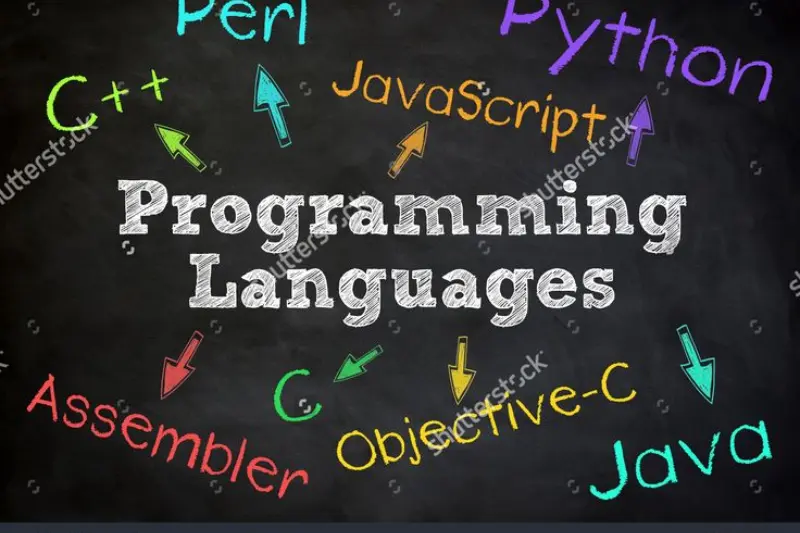
The next step is choosing a programming language to start learning. Beginners often feel confused because there are many programming languages available.
Some beginner-friendly languages include:
- Python for general programming and automation
- JavaScript for web development
- Java for enterprise applications
- C++ for system programming and game development
When learning how to start coding career, it is usually best to start with one language and understand programming fundamentals before moving to others.
You may also like to read these posts:
Fix Syntax Errors in Programming Easily for Beginners
Troubleshooting Programming Mistakes for Beginners
Beginner Debugging Techniques Guide for Programmers
How to Read Error Messages Correctly in Programming
Learn Programming Basics
Every programmer must first understand core programming concepts. These basics form the foundation of all software development.
Important concepts include:
- How to start coding career-Variables and data types
- How to start coding career-Conditional statements
- How to start coding career-Loops and functions
- How to start coding career-Arrays and data structures
- How to start coding career-Problem solving and algorithms
Mastering these concepts is an essential part of learning how to start coding career.
Practice Coding Regularly
Coding is a skill that improves through practice. Reading tutorials is helpful, but writing code yourself is the most effective way to learn.
Beginners should try small exercises such as:
- Writing simple programs
- Solving coding challenges
- Building small applications
Consistent practice is one of the most important steps when learning how to start coding career.
Build Real Projects
After learning basic programming concepts, the next step is building real projects. Projects help you apply your knowledge and create a portfolio that demonstrates your skills.
Examples of beginner projects include:
- A personal website
- A calculator application
- A to-do list program
- A simple game
Projects show employers that you understand practical programming and are serious about your coding career.
Learn Development Tools
Modern developers use several tools to write and manage code efficiently.
Some common development tools include:
- Code editors and IDEs
- Version control systems
- Debugging tools
- Package managers
Learning how to use these tools is another important step in understanding how to start coding career.
Join Developer Communities
Learning programming becomes easier when you interact with other developers. Online communities allow beginners to ask questions, share knowledge, and collaborate on projects.
Developer communities help programmers:
- Solve coding problems
- Learn new technologies
- Find career opportunities
- Stay updated with industry trends
Networking with other programmers can significantly help when building a coding career.
Create a Portfolio
A portfolio is a collection of your coding projects that demonstrates your skills. Many employers look at portfolios when hiring junior developers.
A good developer portfolio usually includes:
- Personal projects
- Open source contributions
- Technical documentation
- Code samples
Building a portfolio is one of the most important steps when learning how to start coding career.
Apply for Entry-Level Jobs
Once you have basic skills and projects, you can begin applying for entry-level programming jobs. Many companies hire junior developers who are willing to learn and grow.
Common beginner roles include:
- Junior web developer
- Software developer intern
- Frontend developer
- Backend developer
Freelancing is also an option for beginners who want to gain experience.
Keep Learning New Skills
Technology changes quickly, and programmers must continue learning throughout their careers. Successful developers regularly explore new frameworks, tools, and programming techniques.
Continuous learning is essential for long-term success in software development.
Frequently Asked Questions
Do I need a degree to start a coding career?
No, many developers start coding careers through self-learning, online courses, and practical projects without a formal computer science degree.
Which programming language is best for beginners?
Python and JavaScript are often recommended because they are easier to learn and widely used in modern development.
How long does it take to learn coding?
The time varies depending on practice and learning methods, but many beginners can learn basic programming within a few months.
Can I start coding with no experience?
Yes, many programmers begin with no prior experience by learning programming basics through tutorials and practice.
What is the first step to start coding?
The first step is choosing a beginner-friendly programming language and learning basic programming concepts.
Conclusion
Understanding how to start coding career involves learning programming fundamentals, practicing regularly, building projects, and gaining real-world experience. Beginners should focus on mastering one programming language, using development tools, and creating a strong portfolio.
With dedication and consistent practice, anyone can develop programming skills and build a successful career in the technology industry.