
Programming is the process of creating instructions that tell a computer how to perform tasks. From websites and mobile apps to games and software, programming is the foundation of modern technology. Many beginners feel confused at first, but step by step programming lessons make learning simple and structured.
Instead of trying to understand everything at once, step by step programming lessons guide learners gradually. Each concept builds on the previous one, helping beginners develop confidence and practical skills.
Anyone can start learning programming with the right approach. Whether you are a student, a professional, or simply curious about technology, programming can open many opportunities in the digital world.
What Is Programming
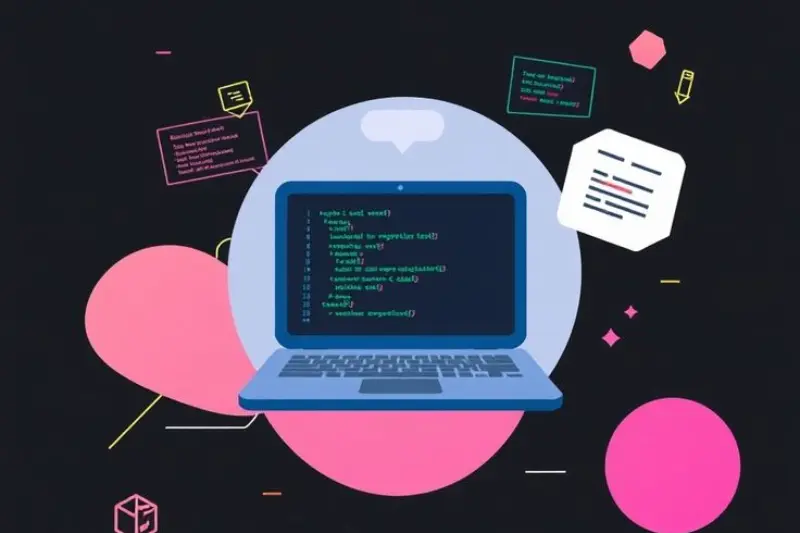
Programming involves writing instructions using special languages that computers can understand. These languages allow developers to create applications, websites, automation tools, and software systems.
Step by step programming lessons usually begin with the basic concepts of coding. These include understanding variables, conditions, loops, and functions. Once these concepts are clear, learners can start building simple programs.
Programming is not only about writing code but also about solving problems logically. It helps develop analytical thinking and creativity.
Why Learning Programming Is Valuable
Technology is part of almost every industry today. Learning programming can help people understand how digital systems work.
Some benefits of learning programming include:
Better problem-solving skills
Career opportunities in technology
Ability to build websites or apps
Improved logical thinking
Many learners start their journey using step by step programming lessons because they provide a clear and organized learning path.
You may also like to read these posts:
Fix Syntax Errors in Programming Easily for Beginners
Troubleshooting Programming Mistakes for Beginners
Beginner Debugging Techniques Guide for Programmers
How to Read Error Messages Correctly in Programming
Choosing the Right Programming Language
When starting programming, selecting a beginner-friendly language is important. Step by step programming lessons often recommend languages that are simple and widely used.
Python for Beginners
Python is considered one of the easiest programming languages for beginners. Its clean syntax makes it simple to read and write.
Many step by step programming lessons start with Python because it allows learners to focus on understanding logic rather than complicated coding structures.
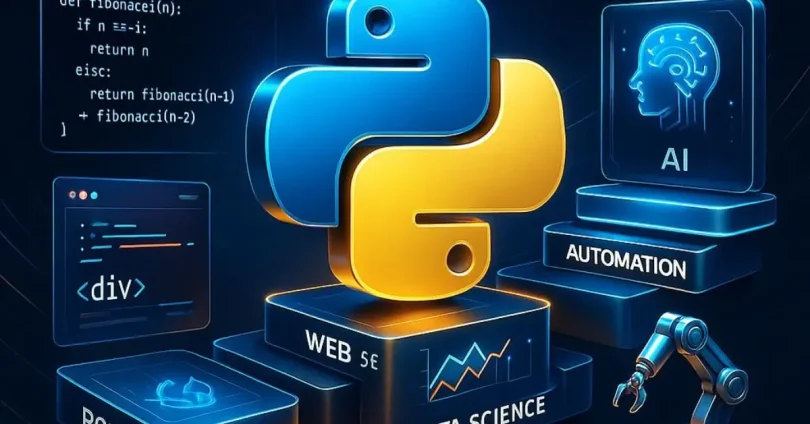
Python is used in web development, data science, automation, artificial intelligence, and many other fields.
HTML and CSS for Web Development
HTML and CSS are essential for creating websites. HTML structures the webpage, while CSS controls the design and layout.
Some step by step programming lessons introduce these languages early because beginners can quickly create simple web pages and see visual results.
JavaScript for Interactive Websites
JavaScript is widely used to create dynamic and interactive websites. It allows developers to add animations, interactive forms, and advanced features.
After learning the basics, many step by step programming lessons move learners toward JavaScript to expand their skills.
Essential Tools for Programming
Before writing code, beginners need a few basic tools. These tools help programmers write, edit, and test their code efficiently.
Code Editors
A code editor is software used to write programming code. Popular options include Visual Studio Code, Sublime Text, and Atom.
These editors provide features such as syntax highlighting, code suggestions, and debugging support.
Web Browsers
Web browsers are important for testing web-based programs. Developers can use browser developer tools to inspect code and troubleshoot problems.
Online Learning Platforms
Several websites provide interactive coding environments where beginners can practice coding directly in the browser.
Step by step programming lessons on these platforms help learners understand programming concepts through practical exercises.
Step by Step Programming Lessons for Beginners
Learning programming becomes easier when beginners follow a structured method.
Step 1: Understand Basic Concepts
The first step in programming is understanding basic ideas such as variables, data types, conditions, and loops. These elements form the foundation of most programming languages.
Step by step programming lessons begin with these core topics before moving on to more advanced concepts.
Step 2: Write Your First Program
After understanding the basics, beginners usually write their first simple program. This may include displaying a message or performing a basic calculation.
Small exercises help learners build confidence and understand how code works.
Step 3: Practice Regularly
Practice is the key to mastering programming. Beginners should write code frequently and solve small coding challenges.
Many step by step programming lessons include exercises that encourage learners to apply what they have learned.
Step 4: Build Small Projects
Projects help beginners apply programming concepts in real-world situations.
Examples of beginner projects include:
A simple calculator
A personal website
A to-do list application
A number guessing game
Projects strengthen programming skills and help learners understand how different concepts work together.
Step 5: Learn Debugging
Debugging is the process of identifying and fixing errors in code. Every programmer encounters mistakes, and learning how to solve them is an important skill.
Step by step programming lessons teach beginners how to read error messages and correct problems in their programs.
Common Mistakes Beginners Make
Learning programming can be challenging, especially for beginners. Understanding common mistakes can help learners avoid frustration.
Trying to Learn Too Much at Once
Many beginners attempt to learn multiple programming languages at the same time. It is better to focus on one language and master the basics before moving forward.
Skipping the Fundamentals
Some learners rush into advanced topics without understanding core concepts. Strong fundamentals are essential for becoming a good programmer.
Not Practicing Enough
Reading tutorials alone is not enough. Writing code regularly helps beginners develop practical skills and confidence.
Tips for Learning Programming Faster
Developing programming skills requires patience and consistency. These tips can help beginners progress more efficiently.
Practice coding daily
Focus on understanding concepts rather than memorizing code
Build small projects to apply knowledge
Join online coding communities
Ask questions and learn from experienced programmers
Step by step programming lessons encourage learners to stay curious and keep experimenting with new ideas.
Career Opportunities in Programming
Programming skills are in high demand across many industries. Once beginners complete step by step programming lessons, they can explore various career paths.
Some popular programming careers include:
Web developer
Software engineer
Mobile app developer
Data analyst
Cybersecurity specialist
Many companies value programming knowledge, making it a valuable skill for modern careers.
Frequently Asked Questions
What are step by step programming lessons?
They are structured tutorials that teach programming gradually from basic concepts to advanced topics.
Which programming language is best for beginners?
Python is widely recommended because it is simple and beginner-friendly.
How long does it take to learn programming basics?
Most beginners can understand basic concepts within a few weeks with regular practice.
Do I need a computer science degree to learn programming?
No, many programmers learn coding through online courses, tutorials, and self-study.
Can beginners build real projects while learning programming?
Yes, small projects like calculators or simple websites help beginners practice and understand coding concepts.
Conclusion
Programming may seem difficult at first, but with the right learning approach it becomes much easier. Step by step programming lessons provide a clear path for beginners to understand coding concepts and develop practical skills.
By learning the basics, practicing regularly, and building simple projects, beginners can gradually become confident programmers. With dedication and continuous learning, programming can lead to exciting opportunities in the world of technology.